Sunday, January 31, 2010

Test Sensors

Here are some pictures of the sensors that Matt has put together for the initial testing of the platform. Click the images to be taken to larger versions.

The R/C aircraft is a Hobbyzone "Super Cub". The light weight and high power-to-weight ratio makes it an ideal body to get the sensor platform into flight and protect the more sensitive components from any inevitable crashes:
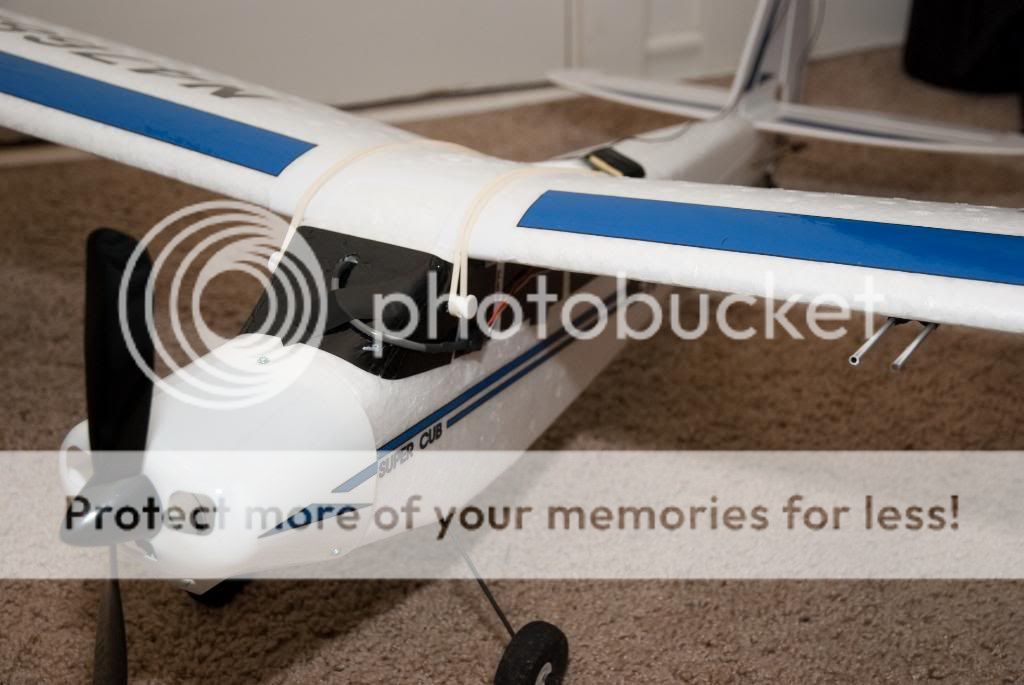

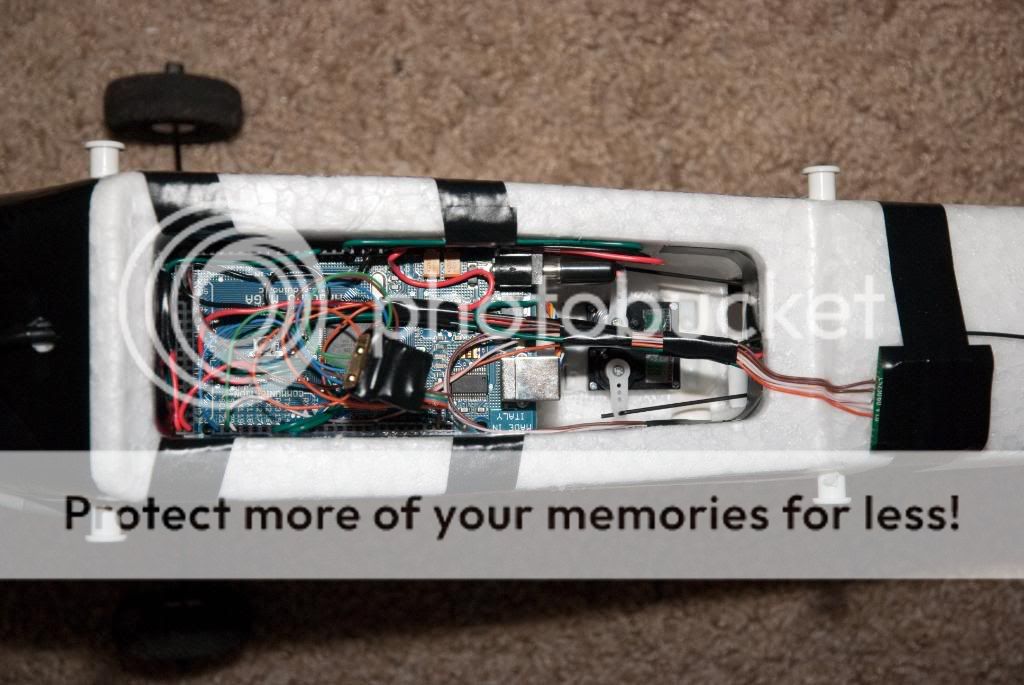
An Arduino is mounted in the main cargo bay. It collects data from a number of sensors and sends the information to an xbee radio to be transmitted to a ground station for recording:
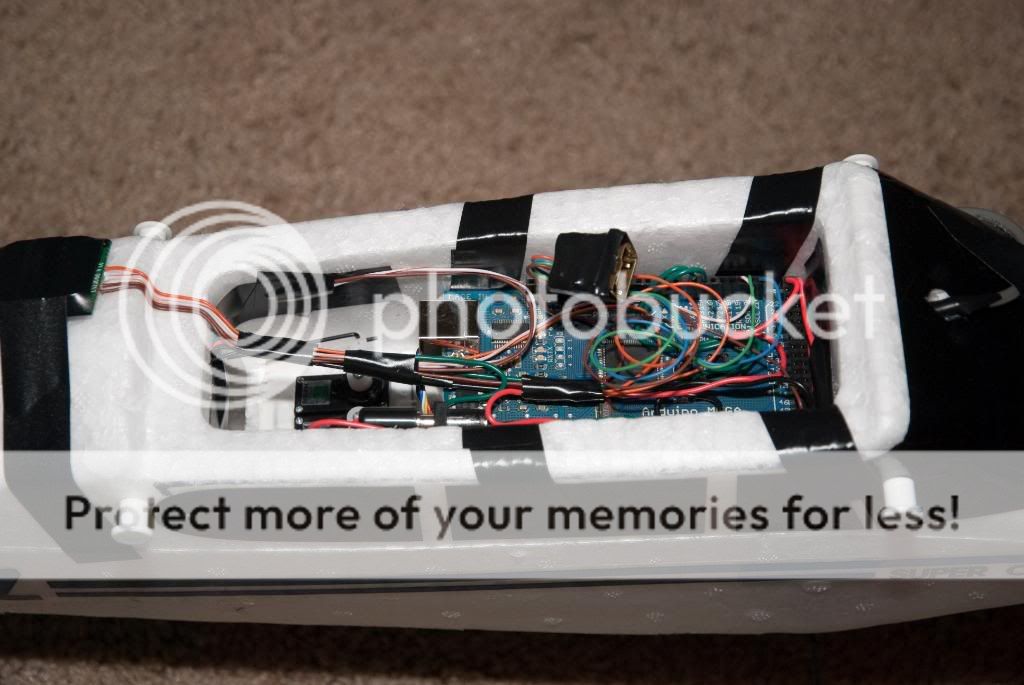

A GPS chip is used to gather position data and altitude, and it calculates ground speed velocity:

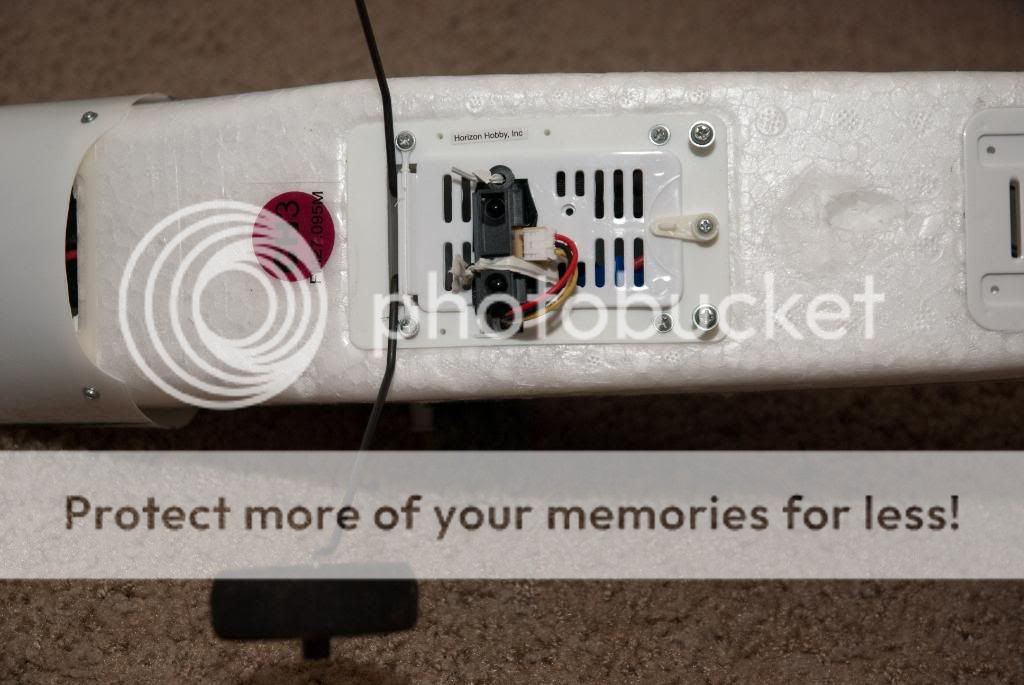
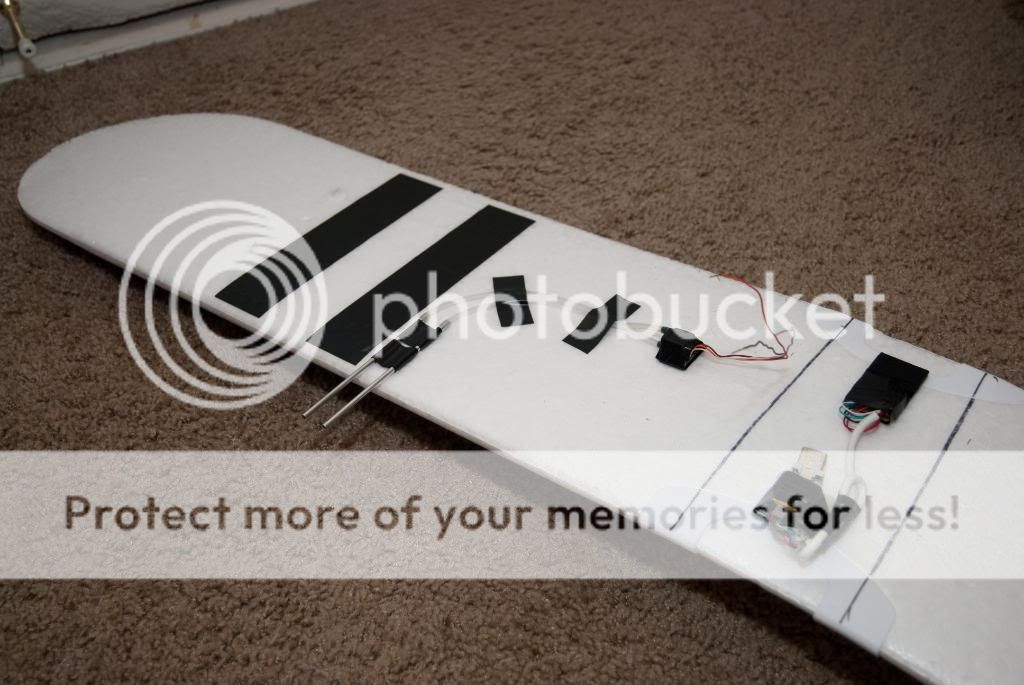
An IR sensor mounted to the bottom of the plane provides more accurate altitude measurements, but only when near the ground:

A pitot tube arrangement provides air speed information:

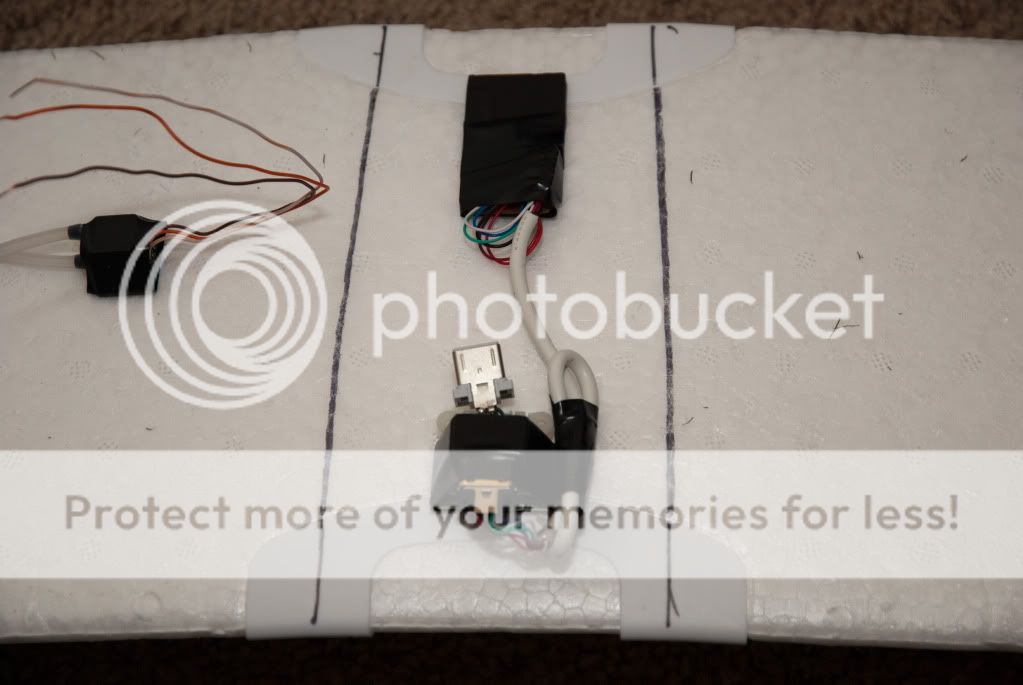
A 3-axis gyroscope is scavenged from the Wii Motion+ element, and a 3-axis accelerometer is scavenged from the Wii Nunchuck. These two devices provide complementary motion data to define the motion of the aircraft through space:
Science Greg

Nifty blog.

An update on what I'm doing: I am working a simulation of the aircraft in Matlab. I'm using a vortex-lattice method to simulate the aerodynamics. Once the aerodynamics have been accurately simulated, I'm going implement a controller. This will allow us to test the controller without crashing the plane. Kenton will hopefully help me write the controller, because I don't really know how to yet.

The vortex-lattice method does have some limitations. It assumes a linear Cl vs alpha curve, which means it does not model stall speed angle of attack effectively. However, our controller should never allow that to happen anyways. Also, it does not model the thickness of the wing or the boundary layer. These two mostly effect the drag anyways, so that limitation will be addressed by including a CDi (Induced drag) into the calculations.

Saturday, January 30, 2010

Welcome

This site will be documenting the development of a independently-designed, automated Unmanned Aerial Vehicle. The target of this project is a vehicle which will be capable of maintaining stable flight and navigating a predetermined route. The vehicle will maintain contact with ground stations to communicate location data, other telemetry, and gathered imagery.